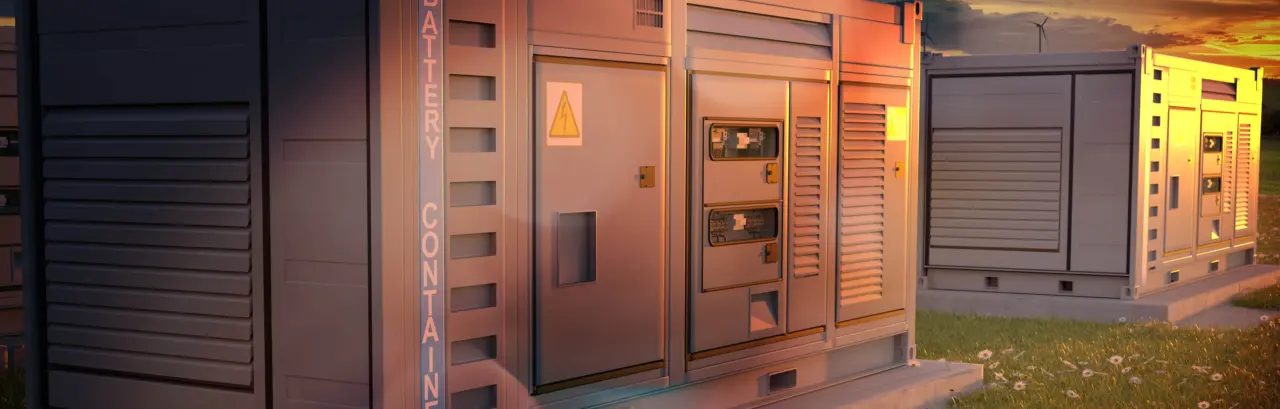
When is a BESS Considered a Special Hazard?
Informal CPD offered to all attendees.
About this session
Battery energy storage systems are becoming a fixture in commercial buildings, but Australian regulatory frameworks haven't kept pace with the technology. This session examines the fire and explosion risks associated with BESS installations, focusing on the point at which a standard installation crosses into special hazard territory.
Matt Booth, ACT Manager for Fire Safety Engineering at Jensen Hughes, draws on recent international incidents, emerging research, and a comparison of global standards to explore what current Australian requirements do and don't address. The session examines the NCC's 200kWh fire separation threshold, the limitations of existing deemed-to-satisfy provisions, and practical considerations around detection, ventilation, suppression and room placement.
A thought experiment framework is introduced to help practitioners assess when additional controls may be warranted, and when standard performance solutions may need revisiting.
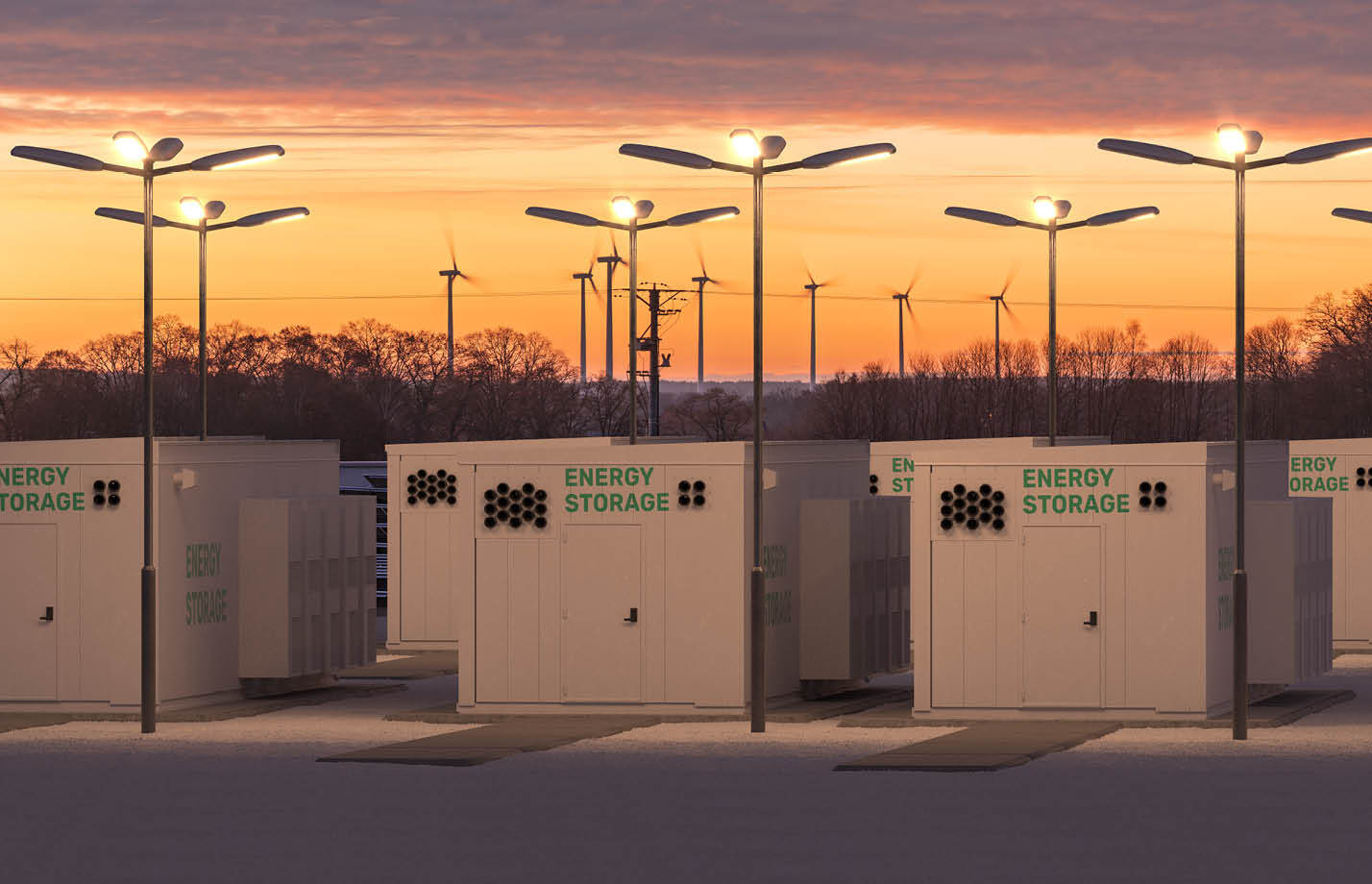
Gain Practical Insights into Emerging BESS Fire Risks
Register Today
Key Takeaways
- Where standard BESS installations end and special hazard territory begins under Australian regulations
- How the NCC's 200kWh threshold compares to international benchmarks, including NFPA 855, UL9540A, and FM Global 5-33
- Gaps in current deemed-to-satisfy provisions and what they mean in practice
- Practical design considerations: detection, ventilation, suppression, and room placement
- A structured framework for assessing when additional controls may be warranted
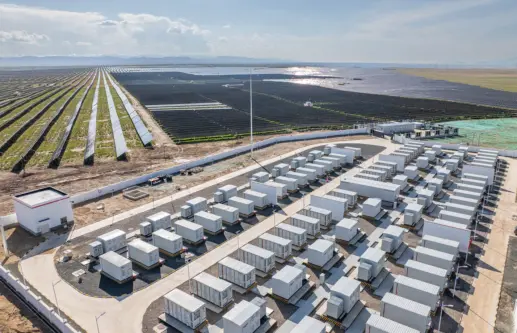
Who Should Attend
This session is relevant to practitioners working with or around BESS installations in buildings, including fire safety engineers, architects, designers, certifiers, and facility managers.
Meet the Expert
Matt Booth
ACT Manager - Fire Safety Engineering
Matt Booth
ACT Manager - Fire Safety Engineering
Master of Fire Safety Engineering, Bachelor of Engineering (Mechanical), Diploma in Engineering Practice with First Class Honours, Bachelor of Business, Engineers Australia, CPEng NER Fire Safety Engineer (5550247), Member – Engineers Australia, Member – Society of Fire Safety