Why it’s Critical for Construction to Continue Down the Certification Pathway
by Omar Saad
The Australian construction market is booming. Right across the country, from New South Wales to Victoria and Queensland, there is growing demand for new buildings and public infrastructure.
What it also means is that there’s a significant opportunity to get these projects “right the first time.” This is particularly important when it comes to fire safety products, as they represent a critical aspect of upholding building and occupant safety while mitigating costly reworks further down the line.
For architects, specifiers, consultants and all other building stakeholders, third-party certification is key. However, across the construction sector, certification is far from standard practice. It remains somewhat misunderstood, and the benefits have yet to be fully recognised or unlocked. All of this will need addressing as we move forward.
Risks of Relying on Test Reports Alone
While Australia’s built environment has grown exponentially in recent years, there remains significant traceability challenges around the building products used.
To illustrate this, typically, for passive fire protection (PFP) products such as fire doors, fire collars, seals or door closers to be accepted, all that would need to be presented would either be a test report or an assessment report that the product complies with the associated standard.
However, relying on a test or assessment report alone can present risks for building certifiers and others who have specified, procured or installed the products. This is because a test report is not a full representation of a manufacturer’s factory processes or quality control procedures. Rather, testing is a one-off snapshot of a product-line and provides little to no traceability.
In some cases, what has been submitted for testing is not what ends up as the final, mass-produced product brought to market. For PFP systems and products like fire doors and fire collars, these issues may only come to light at scheduled fire risk assessments, or worse, when a fire event has occurred.
In addition to this, products that are sourced from overseas may not have been tested or assessed in ways that are compliant with the National Construction Code (NCC). This introduces further risk that may go unnoticed until it is too late. What’s more, because testing is a snapshot and could have been done many years ago, it may not encapsulate subsequent changes to the standards.
Moving Toward Specifying Products with Third-party Certification
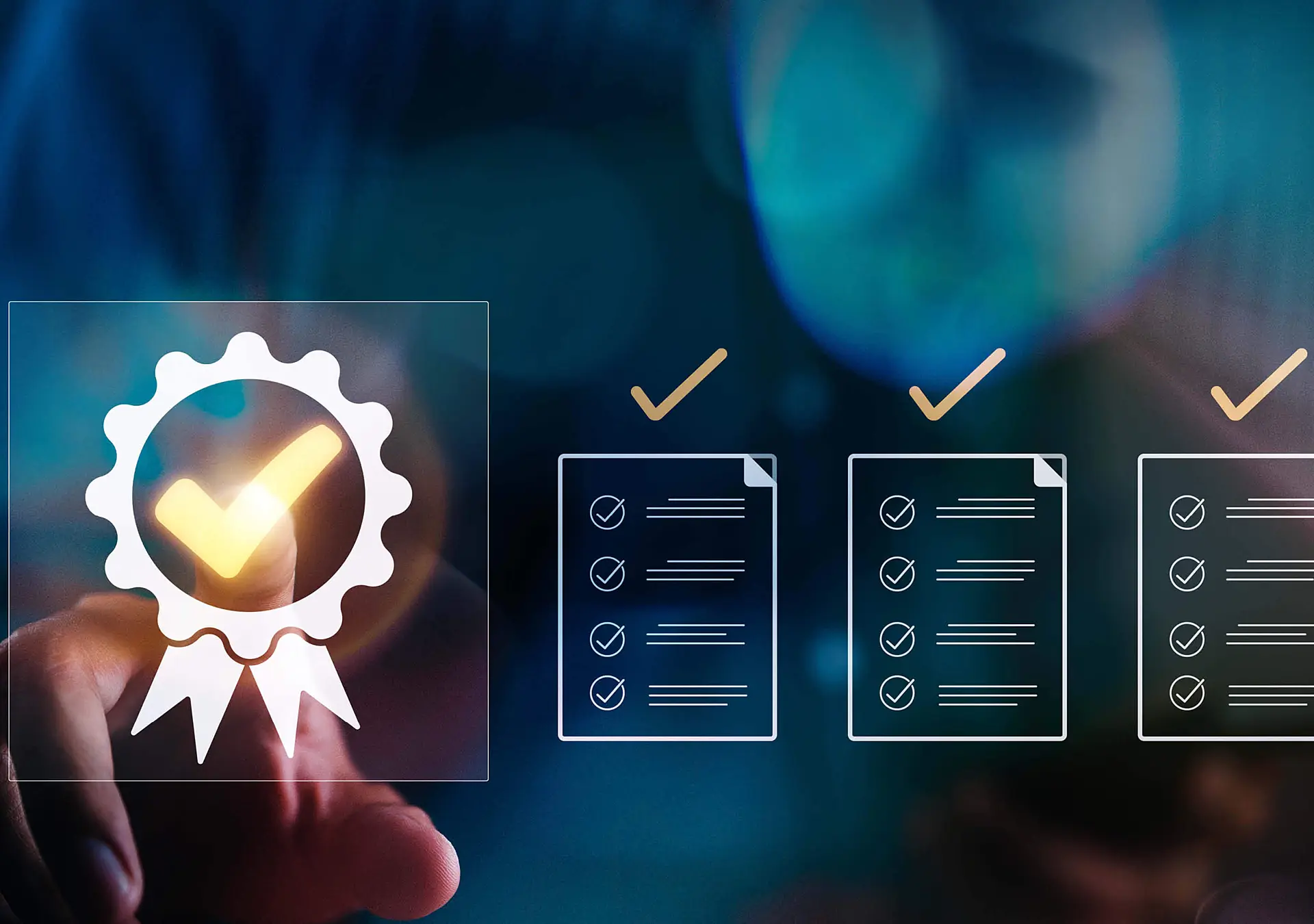
To combat these issues, and to provide added reassurance throughout the supply chain, it is imperative that the industry uses products that are third-party certified by approved bodies and experts. Instead of viewing certification as a cost, it should be seen as a saving.
From a business perspective, arguably, the biggest benefit is that of quality assurance and risk mitigation. By specifying a product that has achieved third-party certification, such as Jensen Hughes certification scheme, stakeholders can be confident that they are receiving a product that fits within the scope to which it should have been tested to and is fit-for-purpose.
Alongside this, there is additional peace of mind that the product, or product range, has undergone an evaluation; the manufacturer’s factory has been through a Factory Production Control (FPC) audit; and the product has been sampled and tested. This then increases traceability and any defective products or issues with quality can be remedied.
Third-party certification also brings a level of risk mitigation. For products that only have first-party testing and assessment, the onus is on the building designer, specifier or building certifier to understand the product. This means ensuring it meets the standard and NCC, before signing off on its use. In reality, this can often involve combing through lengthy test and assessment reports, which slows down decision-making and construction projects.
Needless to say, with an infrastructure project pipeline worth $237 billion, any activity that can streamline the processing while improving life safety should be taken.
Certification – A Safer Future
Both the country and construction industry are in one of its most exciting, expansive and progressive eras. As we head into these next five years, it’s important that those who have responsibility for our buildings do what they can to ensure they are safe for years to come. Meanwhile, helping to curb unnecessary costs through costly reworks, or slowing progress, also needs to be front of mind. Third-party certification is critical to helping solve all these challenges.

Omar Saad
Omar is our fire safety engineering manager in Victoria. With extensive experience applying fire engineering design standards across multiple regions and conducting detailed performance-based studies, he has developed a comprehensive…
Related Insights

Blogs + Whitepapers