Cracking the Case: Forensic Red Flags and Missed Opportunities in Damage Investigations
by Mike Moulden and Kiera Biggins
On 16 October 2025, Jensen Hughes participated as a Gold Sponsor at the Crawford Contractor Connection RESTORE Conference & Expo in Manchester, UK. Our forensics team hosted a dynamic and insightful workshop session titled “Cracking the Case – Forensic Analysis of Missed Opportunities.”
This session highlighted critical indicators that often go unnoticed during fire and damage assessments, focusing on missed opportunities that can compromise investigation outcomes, increase costs or open the door to fraudulent claims. The following are key takeaways from the workshop, aimed at helping professionals across disciplines improve their detection skills and response strategies.
Indicators for Further Investigation in Fire and Damage Assessments
When assessing fire damage or investigating incidents involving fire, water or other destructive elements, certain indicators can signal the need for a more detailed investigation. These include:
- Unexplained areas of burning or damage: One of the most telling signs is the presence of unexplained areas of burning or damage. If fire or damage appears in locations that don’t align with the expected fire progression or origin, this inconsistency may suggest deliberate interference or cover-up. Similarly, unusual spread of fire, water or oil to areas where they normally wouldn’t reach indicates that something abnormal occurred, potentially pointing to manipulation or concealed causes.
- Electrical system anomalies: Electrical systems are often involved in fire investigations, and specific signs related to electrical equipment should not be overlooked. Indicators such as beading or pitting around electrical components are often the result of arcing, a high-intensity electrical discharge that can cause localized burning or melting.
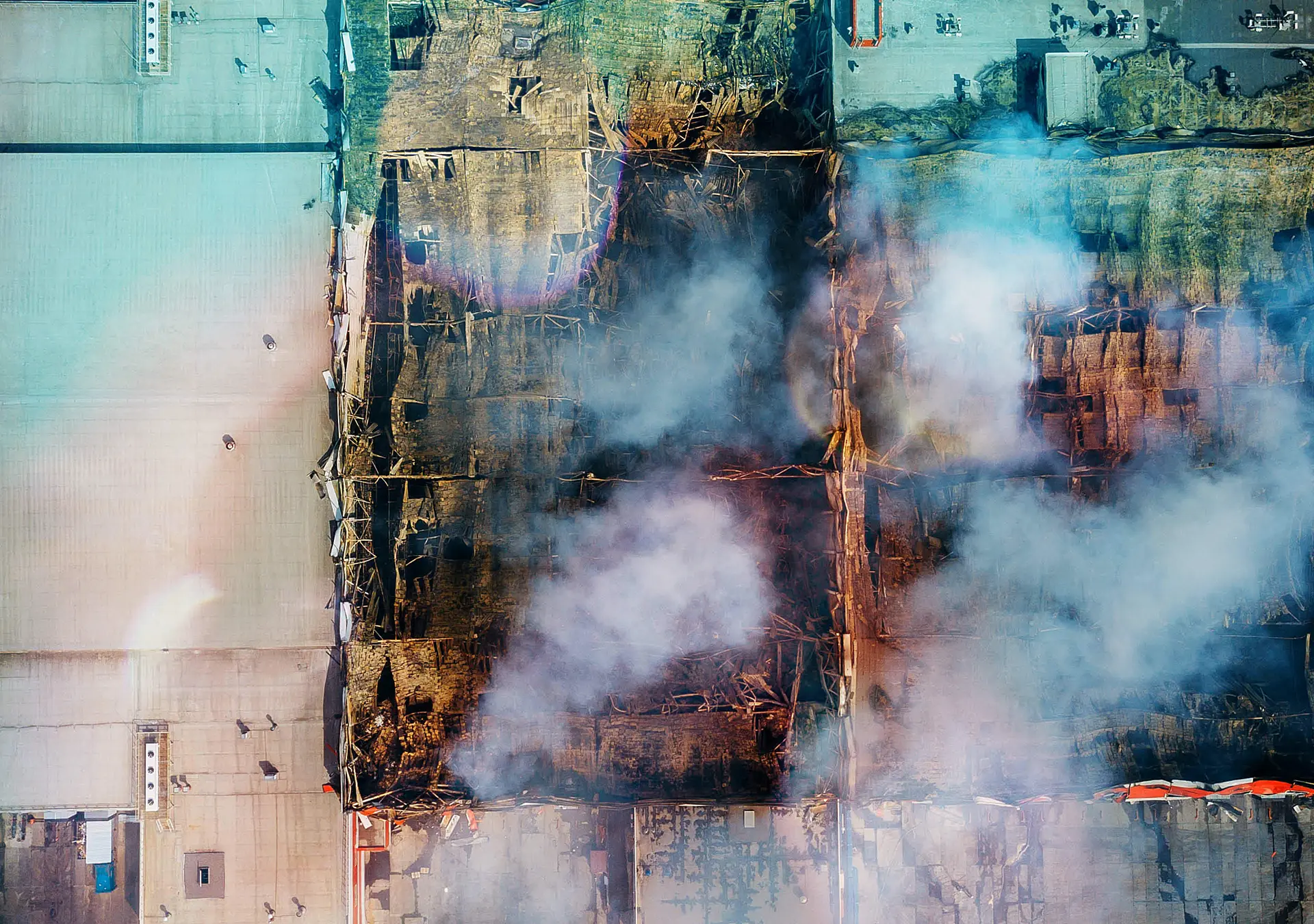
- Structural damage clues: Patterns in structural damage can reveal manipulation. For example, an even tearing pattern on a damaged roof or inward spreading of roof damage may contradict the natural outward progression of fire or collapse and suggest external interference or staged damage. Likewise, evidence of tool marks in areas where they should not logically be present could indicate forced entry or manipulation after the fire.
- Financial irregularities: Excessive costs on invoices, especially if not supported by detailed documentation, can hint at attempts to inflate claims. Scrutinizing billing records, material costs and labor charges is an essential part of a thorough investigation to rule out fraud.
- Plumbing and water damage signs: Physical indicators in piping and fittings can indicate tampering. For example, the absence of expected score marks on water pipes, score marks appearing only at the edges of pipes or compression olives still present inside fittings may reveal that components were replaced or reassembled improperly after damage. Similarly, missing components from push-fit fittings can point to incomplete or falsified repairs. These subtle signs require technical knowledge to detect but are critical for uncovering deception.
- Digital evidence inconsistencies: Another increasingly important area of concern is digital evidence. Photographs, video footage and digital media files are often submitted as part of investigations or insurance claims. However, there is always a possibility that such files may have been altered or manipulated using software. Investigators must verify the authenticity of digital media through metadata analysis, timestamp and forensic techniques to ensure the evidence presented is genuine.
Early detection of these indicators is essential for uncovering potential fraud, tampering or misrepresentation, helping stakeholders prevent inaccurate conclusions, financial losses and costly disputes before they escalate. Equally important is collaboration among fire investigators, forensic experts, insurance adjusters and legal professionals.
As emphasized throughout the session: vigilance is key. Every clue matters. Early detection, cross-functional collaboration and forensic precision can mean the difference between a missed opportunity and a cracked case.

Michael is a Senior Investigator with extensive experience in forensic science and engineering, fire and crime scene investigations, mechanical trade both in the UK and internationally. Michael has been practicing full time as a fire…

Kiera is one of our leading Senior Investigators for investigating the origin and cause of water and oil escapes. She has managed and assisted with over 500 escape of water, escape of oil and fire investigations in commercial, industrial…
Related Insights