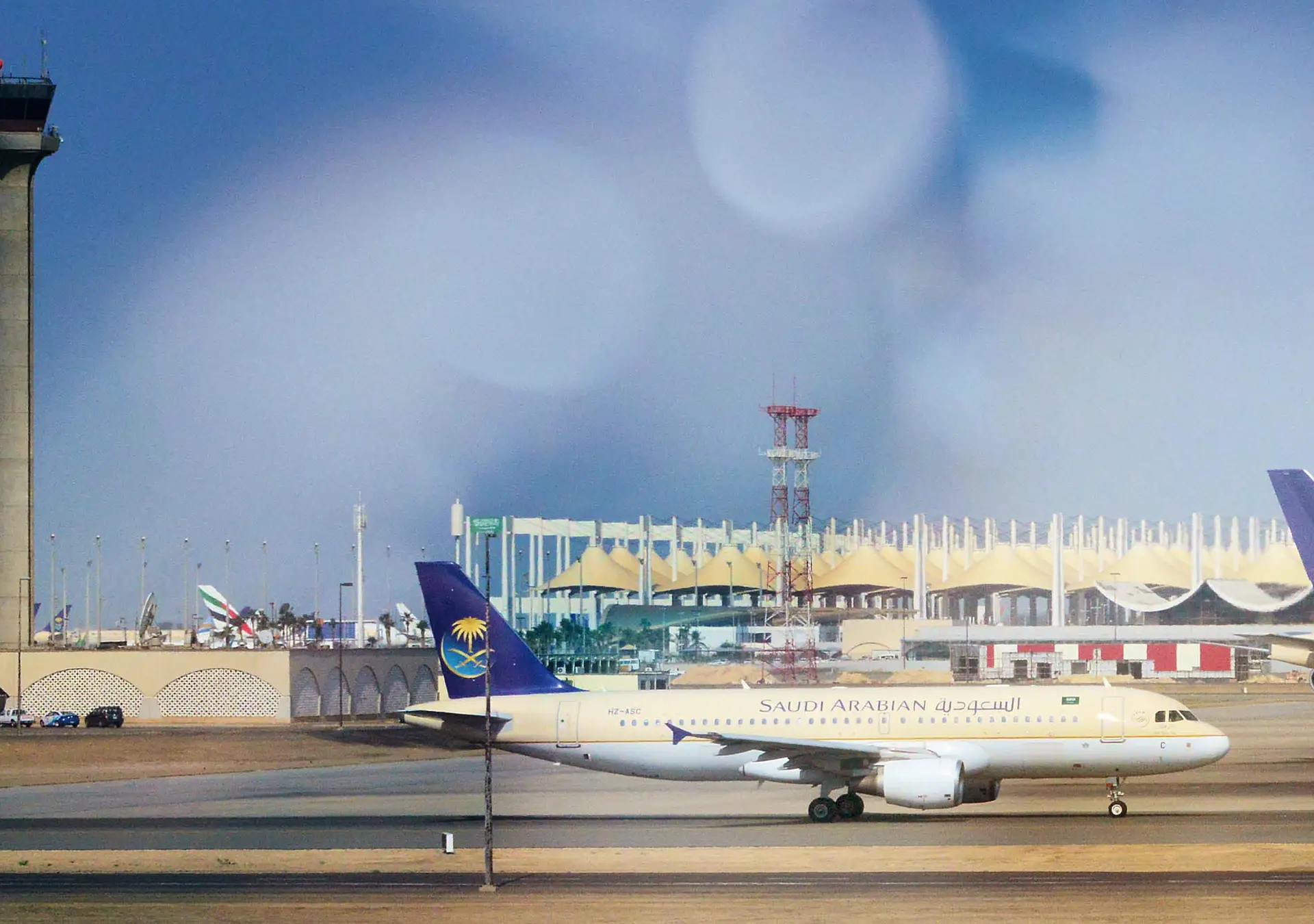
Fire and Rescue Services Study King Abdulaziz International Airport
Project Profile
APPROACH
The Fire and Rescue Services Study for King Abdulaziz International Airport (KAIA) presents a comprehensive, data-driven evaluation of the airport’s emergency response capabilities, organizational structure and infrastructure in the context of both current operations and significant future expansion. As one of the Kingdom of Saudi Arabia’s most critical aviation hubs, serving tens of millions of passengers annually and projected to grow substantially under long-term development plans, the airport requires a highly resilient and scalable fire and rescue system. This study assesses KAIA’s Aircraft Rescue and Firefighting (ARFF) operations against GACA, ICAO and NFPA standards, establishing a clear baseline of operational performance while identifying opportunities to further enhance staffing, facilities, training and system integration that must be addressed to support future growth.
OUTCOMES
Through detailed static and dynamic response modeling, the study identified an optimized fire station configuration that maintains regulatory compliance while improving efficiency and reducing redundancy. This recommended model consolidates operations into fewer strategically located stations, ensuring that all critical areas of the airfield can be reached within meeting applicable regulatory response requirements, provided turnout performance is improved. Supporting this operational model are targeted recommendations to enhance response capability, including supporting continued fleet readiness and operational resilience through training and drills, improving station egress and access routes, upgrading vehicle performance and assessing future ARFF resource requirements in line with the airport’s growth plans. Collectively, these measures strengthen response reliability while aligning infrastructure with the airport’s long-term development trajectory.
SOLUTION
A central component of the study is workforce and organizational optimization, which supports continued operational resilience and future capacity requirements. The study recommends a phased transition to a unified, standardized workforce supported by a Task Resource Analysis, enabling a three-platoon staffing model that aligns personnel levels with actual operational demands. This approach reduces inefficiencies, enhances governance and maintains compliance while improving long-term sustainability. Ultimately, the study concludes that with disciplined implementation of infrastructure improvements, workforce optimization and capability development and training investments, KAIA can achieve a highly effective, resilient fire and rescue system that supports its role as a world-class global aviation hub.

RELATED PROJECTS + INSIGHTS
Partner with us and imagine what we can achieve together!
Related Services
Learn more about the services performed on this project and other related service offerings

Related Industries

Aviation
We develop life safety, fire protection and aviation emergency management solutions within the regulatory requirements, design highly effective emergency communications systems and provide services for effective air side operations safety