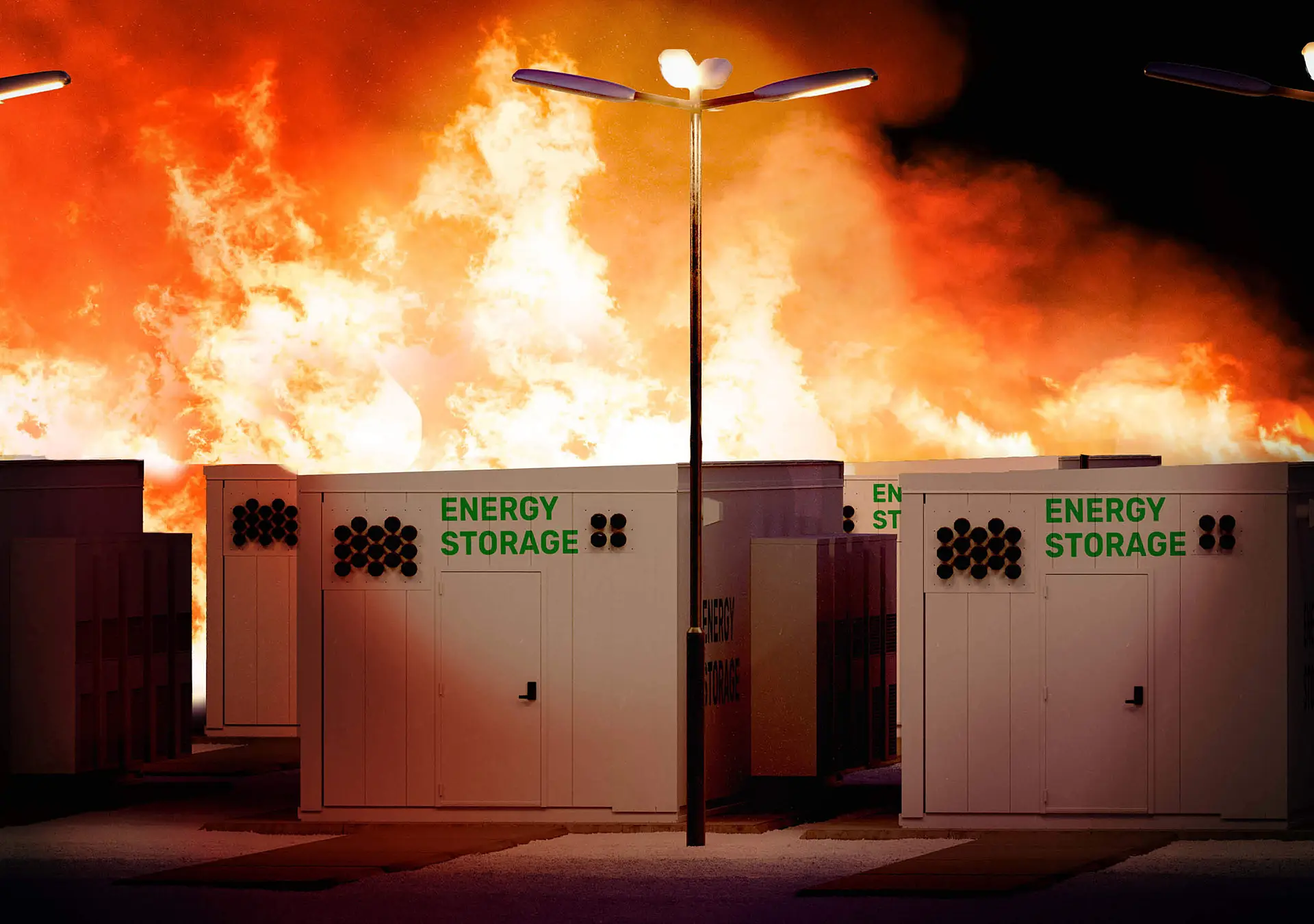
Large Scale Fire Testing (LSFT)
Connecting large-scale fire and explosion testing to engineering analysis, modeling and code expertise to turn real-world test results into practical, performance-based fire safety solutions.
LSFT Overview: System-Level Fire Testing for High-Energy Systems
Following our acquisition of SMS Energetics, Jensen Hughes now offers an expanded suite of energetics and sensitivity testing services, including Large-Scale Fire Testing (LSFT) to evaluate fire and explosion behavior of materials, systems and technologies under realistic conditions.
Where traditional laboratories stop at test execution, Jensen Hughes connects Large Scale Fire Testing (LSFT) results to engineering design, performance-based risk evaluation and code-compliant safety documentation. By combining expertise in fire science, lithium-ion battery safety and explosives and energetics, we help clients translate testing outcomes into practical fire protection and operational safety strategies while identifying worst-case fire and explosion hazards that cannot be captured through small-scale or component-level testing.
Our LSFT services integrate battery abuse testing, explosives and energetics hazard analysis, fire and smoke modeling, fire risk assessments, codes and standards consulting and forensic engineering, enabling clients to move from test data to defensible, performance-based and code-compliant fire safety solutions.
Our Testing in Action
Premier Fire, Explosive and Energetic Testing Lab Approved by the USDOT
These high-speed images capture large-scale and small-scale testing of energetic substances and articles conducted by SMS, a Jensen Hughes Company, in partnership with the Tooele Army Depot (TEAD). This collaboration provides a unique and comprehensive set of capabilities for both government and commercial clients.
Large Scale Fire Testing (LSFT)
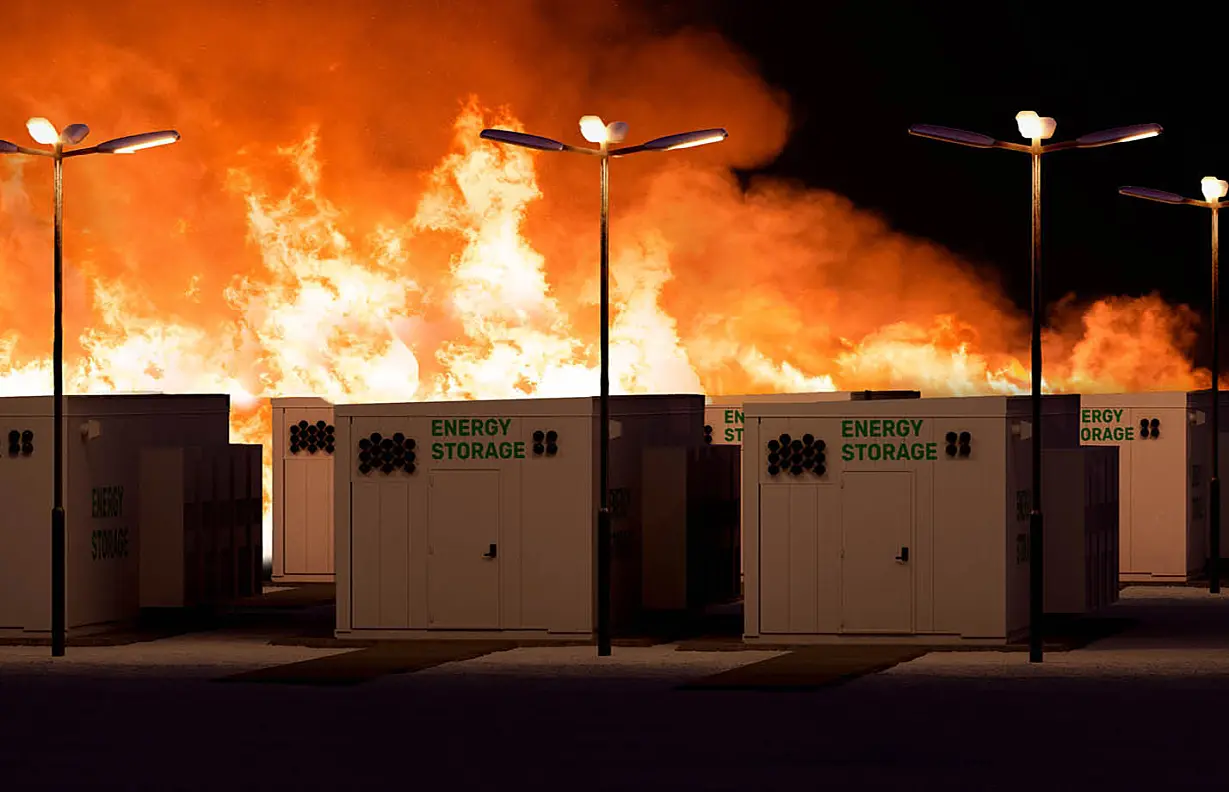
Large Scale Fire Testing is the core of our assessment offering, providing system-level insight into fire behavior, propagation pathways, heat release and life safety impacts under realistic worst-case conditions. Our engineers plan, oversee and interpret LSFT programs to ensure test results translate into actionable engineering decisions.
LSFT supports evaluation of:
- Lithium-ion battery modules, racks and systems
- ESS and BESS installations
- Fire protection and suppression integration
- Facility layout, separation distances and fire enclosure performance
Battery Safety + Abuse Testing
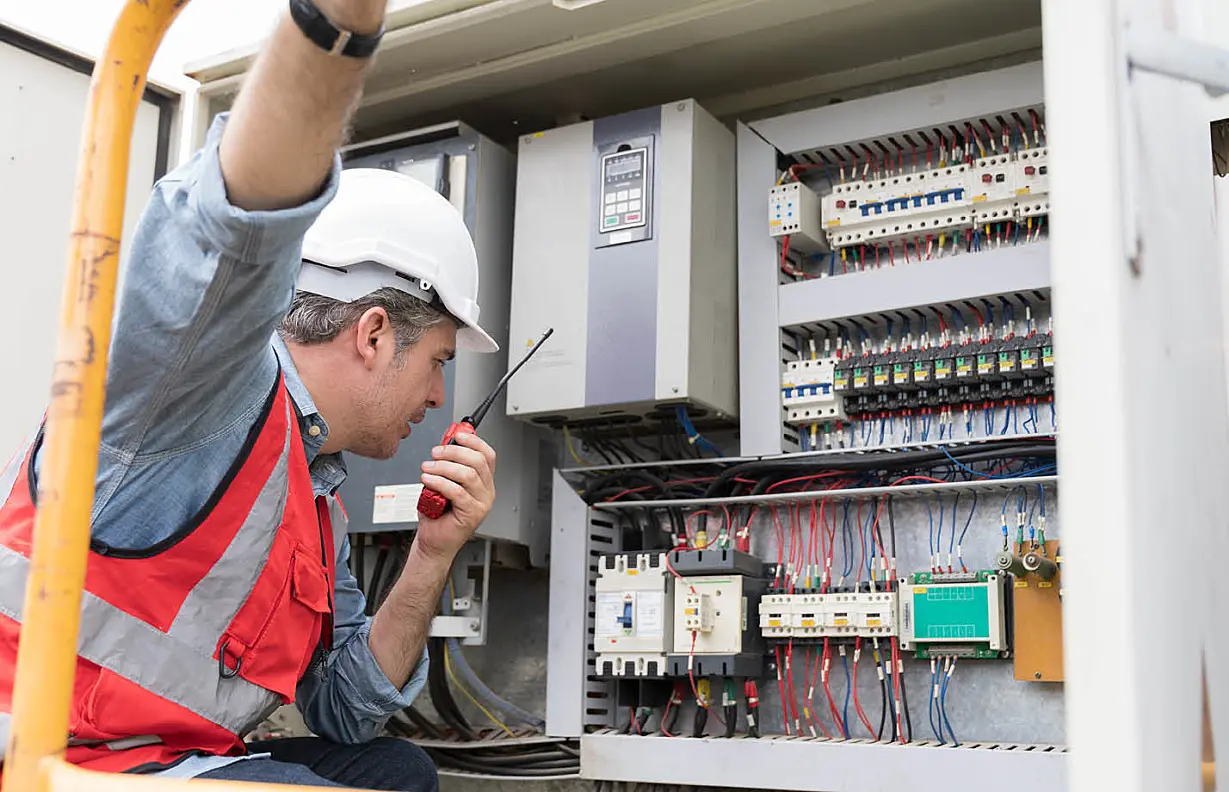
Jensen Hughes provides battery safety and abuse testing for lithium-ion batteries to evaluate failure behavior, fire risk and mitigation strategies under abnormal and extreme conditions. With more than 20 years of battery testing experience, our work supports LSFT planning, ESS/BESS safety and fire protection design.
Our battery testing supports:
- Identification of probable battery failure modes
- Evaluation of thermal, electrical and mechanical abuse conditions
- Assessment of fire and explosion hazards
- Validation of detection and mitigation strategies
- Integration of test results into LSFT and system-level fire risk analysis

Thermal Runaway Testing & Fire Behavior Analysis
Thermal runaway represents a critical hazard for lithium-ion chemistries and large-scale energy storage systems. Jensen Hughes supports planning and interpretation of thermal runaway events to better understand heat release, gas evolution and propagation behavior.
Deliverables include:
- Detailed thermal runaway analysis
- Quantification of heat flux and release rates
- Evaluation of propagation impacts on adjacent modules and infrastructure

Energetics + Sensitivity Testing for High-Energy Materials
Jensen Hughes now offers an expanded suite of energetics and sensitivity testing services that extend beyond traditional battery systems to include reactive and high-energy materials. These capabilities strengthen LSFT planning and support engineered risk management strategies for complex systems involving energetic materials.
Key testing capabilities include:
- Sensitivity testing to assess material response to impact, friction, electrostatic discharge (ESD) and thermal stimulus
- Reaction violence and hazard characterization, including critical height, critical diameter and worst-case propagation evaluations
- Energetic materials classification testing to support hazard assessment, storage and handling decisions
- Operational shield and barrier testing to evaluate protection against thermal, pressure and fragmentation hazards
- Custom test setups to simulate in-process conditions and evaluate abnormal or off-design scenarios
ESS + BESS Fire Risk Analysis and Post-Test Modeling
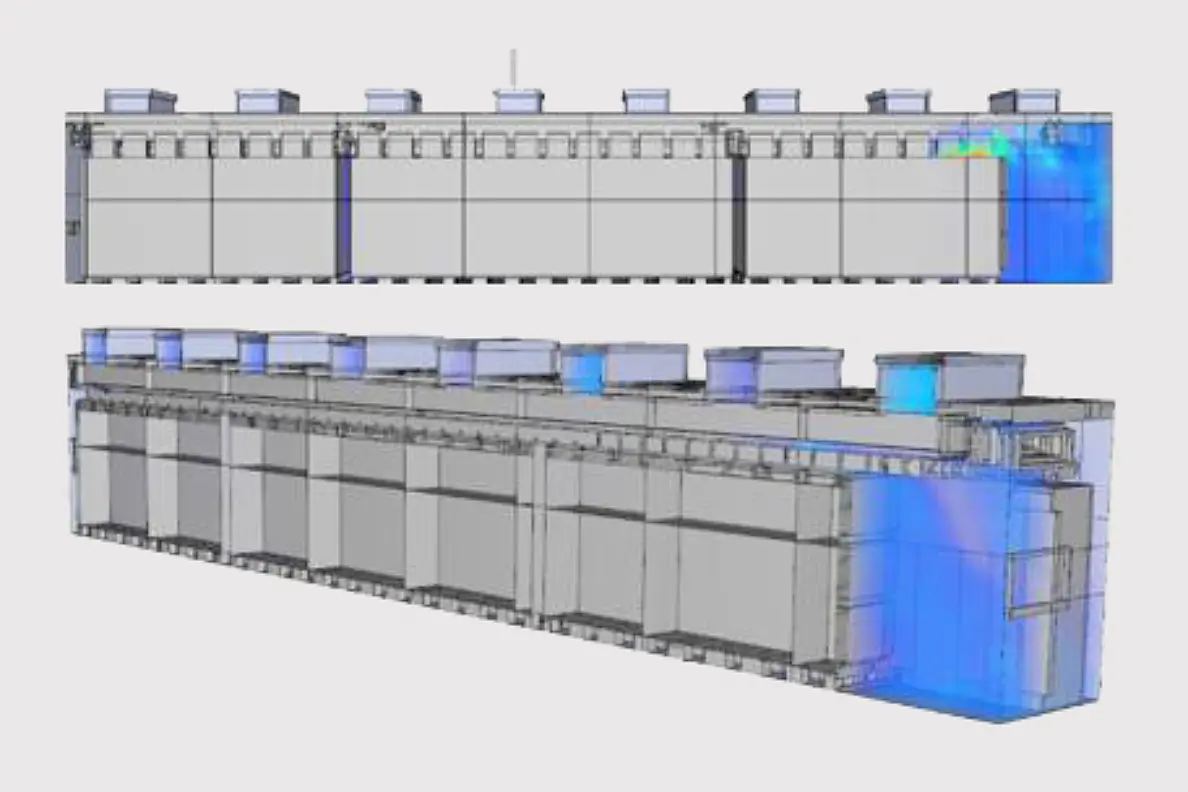
Raw test data alone does not capture real-world fire risk. Jensen Hughes performs advanced fire risk analysis and post-test modeling to translate LSFT and battery fire test data into predictive, system-level safety insights for ESS and BESS installations.
Our modeling and analysis services include:
- CFD simulations for fire risk assessment and performance-based design
- Fire, smoke, explosion and deflagration modeling for ESS and BESS systems
- Post-test analysis of LSFT and UL 9540A data to support explosion control design and vent sizing
- Evaluation of new modular ESS designs and BESS deployment within existing buildings
- Design iteration support through mitigation and scenario modeling
Battery Fire Codes, Standards + Compliance Consulting
Jensen Hughes provides advisory services on the interpretation and application of codes and standards that intersect with fire testing and engineered safety performance.
Our expertise includes:
- UL 9540A advisory and LSFT-informed test strategy planning
- NFPA 855 battery and ESS fire protection guidance
- UN 38.3 test preparation and interpretation
- CSA C-800 standard consulting

Registered Design Professional (RDP) Review + NFPA Documentation Support
As licensed Registered Design Professionals in every U.S. state, Jensen Hughes provides required engineering review, documentation and sign-off for NFPA and local authority requirements. This ensures alignment between LSFT and risk outcomes with approved engineered systems, plans and builds.

Failure Investigation & Forensic Engineering
Upon incident or unexpected system behavior, our forensic team performs systematic investigation to determine root cause, contributing factors and potential improvements.
Forensic support includes:
- Post-incident investigation
- Expert analysis for litigation or insurance support
- Design, process, or operational deficiency identification
Meet Our Experts
Jens Conzen
Vice President, Business Development
Jens Conzen
Vice President, Business Development
MBA, Data Science, MS, Engineering Mechanics, Dipl. Ing., Produktiontechnik (Manufacturing/Industrial Engineering and Business), Professional European Engineer, EUR ING, Member, Principal Technical Committee Member NFPA 855, Standard for the Installation of Stationary Energy Storage Systems, Member, Energy Storage Fire Prevention and Mitigation Advisory Committee, Member, Member, Member
Kirt Sasser
Operations Leader / Director of Engineering + Testing
Kirt Sasser
Operations Leader / Director of Engineering + Testing
M.E., Mechanical Engineering, B. S., Mechanical Engineering
Jason Ford
Test Site Manager
Jason Ford
Test Site Manager
Anil Kapahi
Director, RDT+E
Anil Kapahi
Director, RDT+E
PhD, Mechanical Engineering, BS, Mechanical Engineering, Member, Member, Member
Stephen Jordan
Senior Engineer
Stephen Jordan
Senior Engineer
MS, Mechanical Engineering, BS, Fire Protection Engineering, PE: MD, MO, Firefighter I – NFPA 1001, Certified LabVIEW Associate Developer (CLAD)
Kelly Opert
Lead Engineer
Kelly Opert
Lead Engineer
MS, Fire Protection Engineering, BS, Fire Protection Engineering, PE: IL, MD
Michael Townsend
Lead Consultant
Michael Townsend
Lead Consultant
BS, Fire Protection and Safety Engineering Technology, Certified Fire Protection Specialist (CFPS), No. 4824, National Fire Protection Association (NFPA), Certified Safety Professional (CSP), No. CSP-25630, Board of Certified Safety Professionals (BCSP), Safety Management Specialist (SMS), No. SMS-676, BCSP, Professional Member, Society of Fire Protection Engineers (SFPE), Member, National Fire Protection Association (NFPA)
Dr. Ankit Sharma
Lead Research Consultant
Dr. Ankit Sharma
Lead Research Consultant
PhD, Mechanical Engineering, Hydrogen safety (PgCertPD), Member, Society of Fire Protection Engineers (SFPE), Member, National Fire Protection Association (NFPA)