Latest Projects, Case Studies, Research + Thought Leadership
Select an industry below to explore our latest projects, case studies, insights and thought leadership on the global challenges, trends and policies affecting today's organizations – from regulatory changes to innovative strategies for safety, security, risk-based science, and engineering
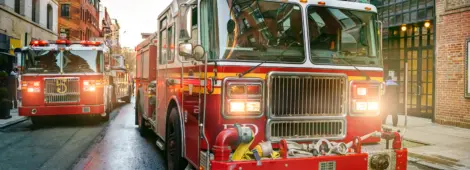
Evaluate how community growth affects emergency response capacity with fire service concurrency assessments. Learn how data-driven planning helps communities identify risks, optimize resources and support responsible development.
Learn how HVAC design, ventilation, filtration and physical security can help protect buildings from airborne chemical, biological and radiological threats, reduce vulnerabilities and strengthen occupant safety and resilience.
Explore how CBRNE facility design can better integrate hazard analysis, emergency response and egress to address critical gaps in decontamination, responder access and safe evacuation during an incident.
A significant incident can test any fire and emergency service organization. What leaders do afterward can define whether the agency simply moves on or becomes safer, stronger, and better prepared.
Energetic materials may drive the safety basis in defense manufacturing, but standard process operations can introduce combustible-dust hazards that require a broader, integrated approach.
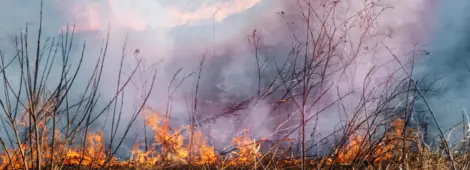
Wildfire season is already underway. Explore 2026 wildfire risks, preparedness strategies, mitigation planning, and resilience actions communities can take now.
Learn how British Columbia's Emergency and Disaster Management Act (EDMA) is reshaping emergency preparedness and why proactive risk assessments, resilience planning and business continuity are essential for critical infrastructure.
Security is a business imperative, not a cost center. Learn how integrated, risk-based security programs strengthen resilience, protect critical infrastructure and support long-term operational and organizational success.
Discover how sprinkler systems improve fire safety in healthcare facilities, unlock valuable NFPA 101 code advantages and help high-rise occupancies meet the CMS sprinkler compliance deadline by July 5, 2028.
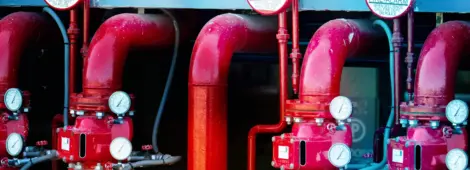
Avoid common healthcare sprinkler system deficiencies. Learn the top installation and maintenance issues cited by CMS surveys, plus best practices for NFPA 25 compliance, inspection, testing and long-term system reliability.
Learn how the Fire Safety Evaluation System (FSES) helps healthcare facilities demonstrate equivalent fire safety when code compliance isn't feasible, and understand the evaluation process, documentation and AHJ approval requirements.
As defense manufacturing grows, so do complex CBRNE risks. Learn why integrated hazard analysis, current safety standards and cross-disciplinary planning are essential for resilient, compliant operations.