
Fire Alarm System Replacement: On-Demand Webinar Series + Blogs
Whether you missed the live session, want to watch again, or prefer to explore the topic in more depth, access the full webinar recording and related blogs below to gain essential insights into fire alarm system lifecycle triggers and replacement considerations.
Webinar Recordings: Fire Alarm System Replacement
Whether you missed the live sessions or want to watch them again, access the full webinars to gain essential insights into fire alarm system lifecycle triggers and replacement considerations.
- Episode1: Investing in Safety: When Is the Time to Replace Aging Fire Alarm Systems
- Episode 2: Protecting Guests + Properties: Why Fire Alarm Replacement Matters (Hospitality)
- Episode 3: Designing Smarter Fire Alarm Systems for Educational Facilities
- Episode 4: Fire Alarm Systems in Healthcare
- Episode 5: The Importance of Integrated Fire Life Safety Systems: Fire Alarm and Smoke Control Systems
Explore the Complete 5-Part Series Blogs
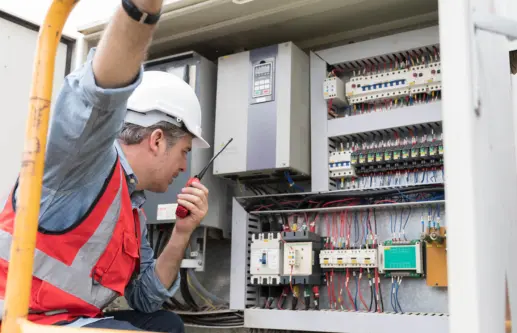
When is it Time to Replace Your Fire Alarm System?
Understand the key triggers for replacement, from aging infrastructure to recurring system issues, and why proactive planning is essential to reducing cost and risk.

Fire Alarm Replacement in Hospitality
Learn how to balance life safety, operational continuity, and guest experience while upgrading systems in 24/7 hospitality environments.
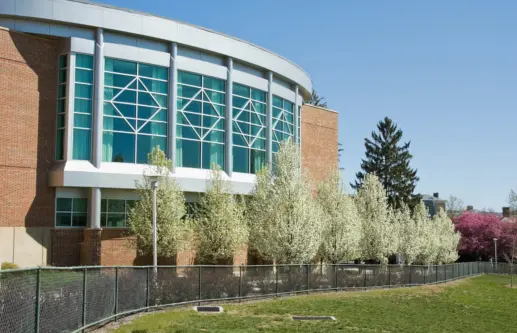
Designing Smarter Systems for Educational Facilities
See how campus-wide assessments, risk prioritization, and stakeholder alignment enable smarter, long-term fire alarm strategies.

Fire Alarm Systems in Healthcare
Explore how complex integration, evolving regulations, and reliability-centered maintenance shape fire alarm strategies in healthcare environments.
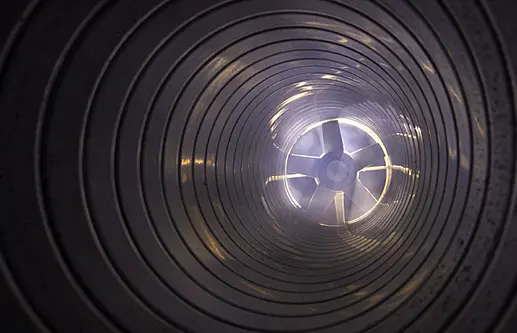
Integrated Fire Life Safety Systems + Smoke Control
Dive into how fire alarm systems act as the “brain” behind integrated smoke control, coordinating complex building systems to protect occupants during emergencies.
Meet our Experts
Larry Rietz
Vice President, Global Service Line Leader Fire Detection + Alarm
Larry Rietz
Vice President, Global Service Line Leader Fire Detection + Alarm
AAS, Drafting for Industry, Management Development Certificate, National Institute for Certification in Engineering Technologies, Certified Fire Protection Specialist
Michael Johnson
Senior Vice President, Global and National Accounts
Michael Johnson
Senior Vice President, Global and National Accounts
BS, Business Management, Certified, National Institute for Certification in Engineering Technologies (NICET), Member, Society of Fire Protection Engineers (SFPE), Member, National Fire Protection Association (NFPA), Member, National Institute for Certification in Engineering Technologies (NICET) Ambassador Program, Member, Design Build Institute of America (DBIA),
Matthew Lausch
Operations Leader, Mid-Atlantic Region
Matthew Lausch
Operations Leader, Mid-Atlantic Region
Bachelor of Architectural Engineering, NICET Level IV, Fire Alarm Systems, Member, NFPA
Eric Babcock
Director/Senior Fire Protection Engineer
Eric Babcock
Director/Senior Fire Protection Engineer
B.S., Fire Protection Engineering, Licensed PE: NY, CA, NC, KY, VA, MD
Andrea Ferrari
Fire Protection Engineer
Andrea Ferrari
Fire Protection Engineer
PE, M.S., Nuclear Engineering