Power Transformers are the Workhorse of the Electric Grid
... and Among the Most Volatile Pieces of Equipment Within a Substation
by Andy Wolfe
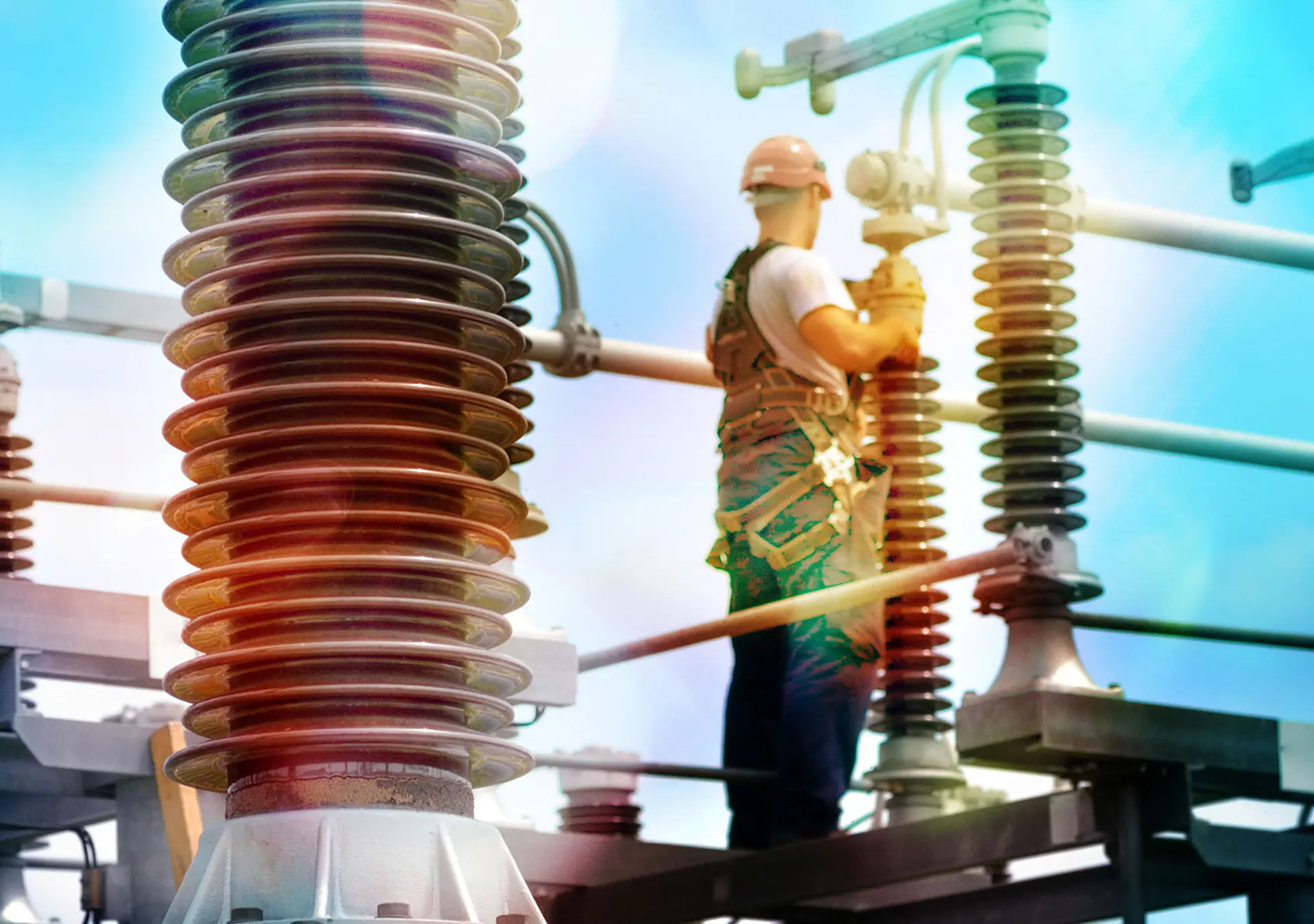
Transformers are used to modify voltage levels, either to a lower level (step down), which is the most common, or to a higher level (step up), which is typically associated with generating plants. This change in voltage is accomplished using induced magnetic fields between two sets of coiled conductors, known as windings. The ratio of coils from one winding to the other determines the magnitude of voltage change. Transformers are needed on the transmission and distribution grid to reduce the voltages from higher levels, which can traverse longer distances, down to lower levels that can be used in homes and businesses.
For electrical insulation and cooling purposes, the transformer windings of large transmission and distribution transformers are immersed in a dielectric fluid, typically mineral oil. The mineral oil, while an excellent dielectric insulator, is a combustible liquid. If exposed to heat and an ignition source, such as would be generated from a high voltage electrical fault, it can burn.
Transformers fail almost daily due to several causes, such as age, manufacturing defects, lightning or various other reasons. Most of these failures do not result in fire or explosions, but the ones that do can have catastrophic impacts. These failures, typically caused by a breakdown of the transformer’s insulating oil or external electrical fault, occur in milliseconds, rupturing the transformer tank and triggering fires or explosions.
Without proper mitigations, these failures can lead to widespread power outages, cascading failures of adjacent equipment, environmental impacts and potentially irreparable damage to a utility’s reputation. These impacts have been made widely apparent with several high-profile events, most recently, the North Hyde Substation fire, which caused power disruptions to Heathrow Airport.
Unfortunately, current building and fire codes/regulations do not address the fire protection needs of electrical substations.
There are unique challenges inherent to providing fire protection for electrical substations. These range from resiliency and reliability factors to ensure that the fire protection scheme is complimentary to the function and operation of that station. As such, there is not a “one size fits all” solution for fire protection at substations. Industry best practice documents, including the Institute of Electrical and Electronics Engineers (IEEE) 979, Guide for Substation Fire Protection, provide prescriptive guidelines for providing fire protection for these installations, including:
- Spatial separation
- Passive fire protection, such as fire barriers and radiant heat shielding
- Water-based suppression
- Oil containment, including flame suppressing medium
- Fire/smoke/heat detection for substation enclosures
However, for many existing substations or substations that are required to be built on small footprints or indoors, these guidelines may not be practical or sufficient. Using the framework of NFPA 551, a fire risk assessment approach can be applied to other power-critical industries beyond just electrical substations. These assessments go beyond the Institute of IEEE guidelines and insurance recommendations to thoroughly identify and mitigate fire protection vulnerabilities before an event occurs.
Using the results of the fire risk assessment, customized fire protection solutions can be developed that ensure operational continuity and minimize the impacts of a transformer fire on energy delivery. These solutions can include multi-layered protection schemes, the use of novel equipment, operational changes and procedures or, in the case of new substations, alterations to the design that reduce the potential for cascading failures.
Transformer fire protection is not only an engineering issue. Having an effective emergency response program is also critical for dealing with transformers and substation fires. This includes pre-incident planning, providing education and training for fire responders who would be called upon to suppress the fires, and having knowledgeable subject matter experts who can provide guidance on the best approaches to these atypical fire events.
Transformers are powerful and necessary components of the electrical grid but can have catastrophic impacts when they fail. The implementation of fire protection strategies in the design of substations and response to these events can allow electrical utilities to provide safer and more reliable service to their customers.

Andrew Wolfe
Andrew Wolfe is a Fire Protection Engineer with seven years’ experience in utility fire protection and developing emergency response pre-incident plans, training, and procedures for utilities. Additionally, he has performed fire and life…
Related Insights


Blogs + Whitepapers
Blogs + Whitepapers


Blogs + Whitepapers